
ON AIR: THE CATRAC PODCAST
FEATURED EPISODE:
What is a RAC?
Building the Emergency Healthcare System Together
In the inaugural episode of The CATRAC Podcast, host Mike Verkest sits down with Douglas Havron, Executive Director and CEO of the Capital Area of Texas Regional Advisory Council, to answer a foundational question: what exactly is a RAC, and why does it matter?
Douglas breaks down how CATRAC supports emergency healthcare across 11 Central Texas counties by coordinating hospitals, EMS agencies, first responders, public health, emergency management, and disaster response partners. From trauma systems and stroke care to hospital diversion, wall times, data sharing, and regional preparedness, this episode pulls back the curtain on the systems that help clinicians deliver better care when seconds matter.
This launch episode sets the stage for future conversations about regional coordination, patient outcomes, emergency healthcare systems, and the people working behind the scenes to move care forward
ABOUT THE PODCAST
The CATRAC Podcast brings together EMS leaders, trauma professionals, hospital staff, emergency managers, and public health experts to discuss the challenges and opportunities shaping emergency healthcare in Texas. Our mission is to share ideas, best practices, and real conversations that strengthen the system and improve outcomes for our communities.
Subscribe Today!
LATEST EPISODES

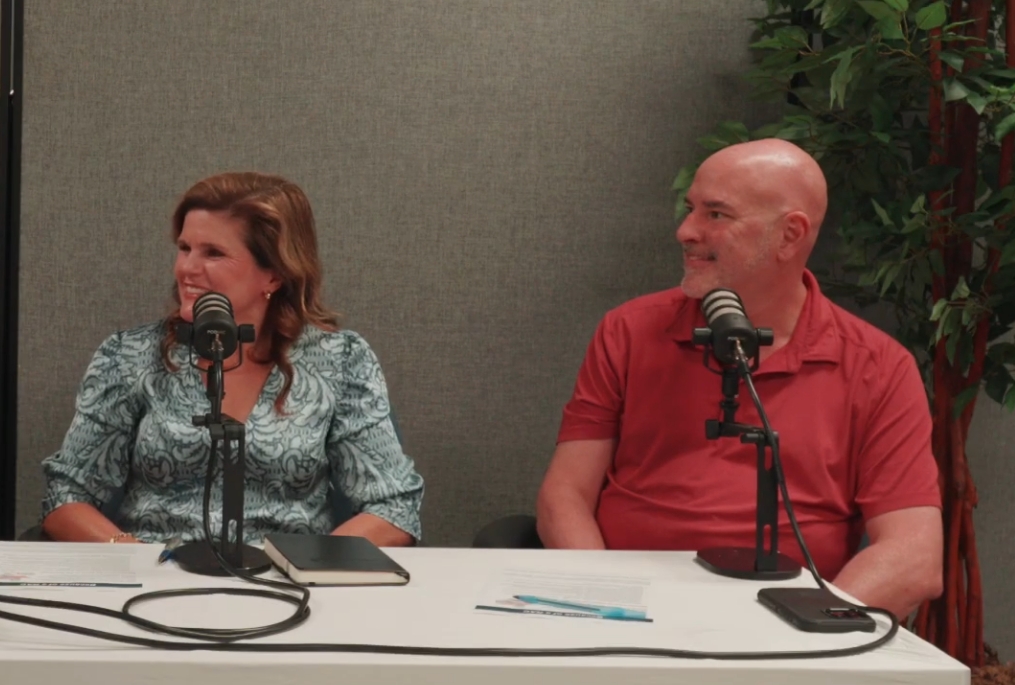
Because of a RAC
In Episode 2 of On Air with CATRAC, host Mike Verkest sits down with Dinah Welsh, President and CEO of the Texas EMS Trauma and Acute Care Foundation, and Douglas Havron, Executive Director and CEO of CATRAC, to unpack the meaning behind the statewide message: “Because of a RAC.”
Together, they discuss how Regional Advisory Councils bring EMS agencies, hospitals, specialty care providers, emergency management, public health, and disaster response partners together to improve care across Texas. From trauma, stroke, cardiac, pediatric readiness, and whole blood initiatives to disaster preparedness, data sharing, hospital coordination, and legislative advocacy, this episode highlights the work happening behind the scenes to make emergency healthcare systems stronger.
Because of a RAC, communities receive more coordinated care, systems become more connected, and patients benefit from a regional approach focused on readiness, outcomes, and continuous improvement.
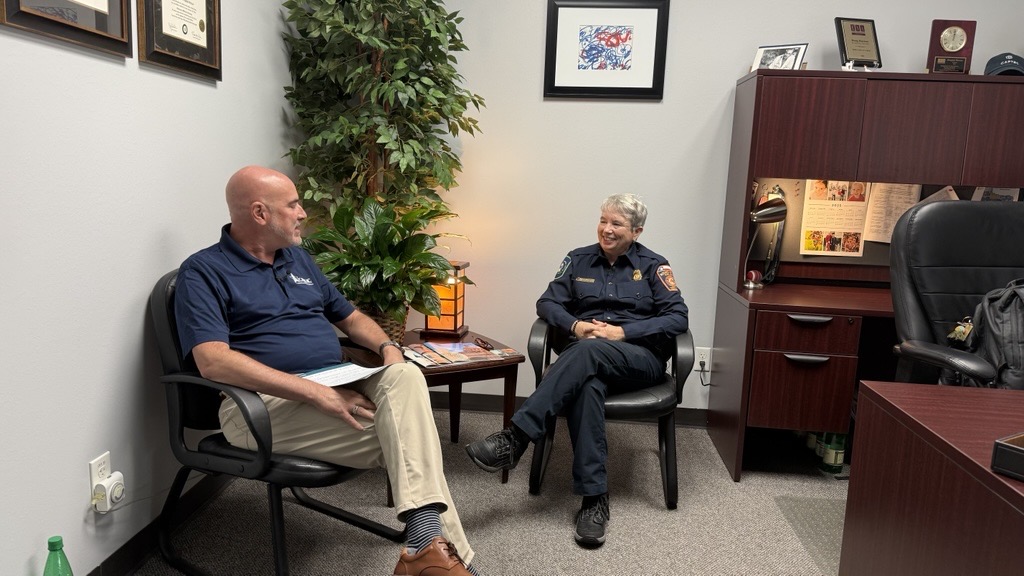
Building a Better Behavioral Health Response
In Episode 3 of On Air with CATRAC, CATRAC CEO and Executive Director Douglas Havron sits down with Annie Burwell, Mental Health Workgroup Chair and Crisis Response Unit Program Manager for the Round Rock Fire Department, to examine the challenges facing behavioral healthcare across the region.
They discuss disaster behavioral health, peer support for first responders, and the fragmented path patients often face when seeking emergency psychiatric care. The conversation also explores how regional coordination, shared standards, and clearly defined pathways could create a more efficient system—one that places the patient at the center of care.
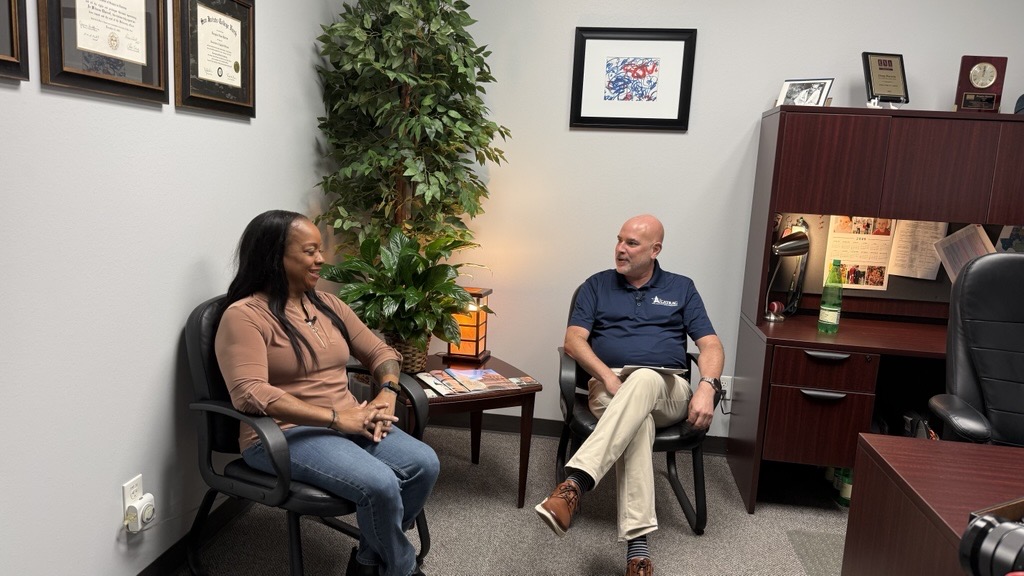
Prevention Before The Injury
Injury prevention begins long before a patient reaches the hospital. CATRAC Executive Director Douglas Havron sits down with Rhonda Manor Coombes, chair of the Injury Prevention and Education Committee, to explore how regional collaboration and data-driven education are helping make Central Texas safer.
They discuss community initiatives including Stop the Bleed, hands-only CPR, firearm and car-seat safety, fall prevention, BE FAST stroke awareness, and seasonal safety campaigns. Rhonda also previews CATRAC’s upcoming symposium and its pediatric megasim connecting prehospital and hospital care across the entire patient journey
Whole Blood In Central Texas
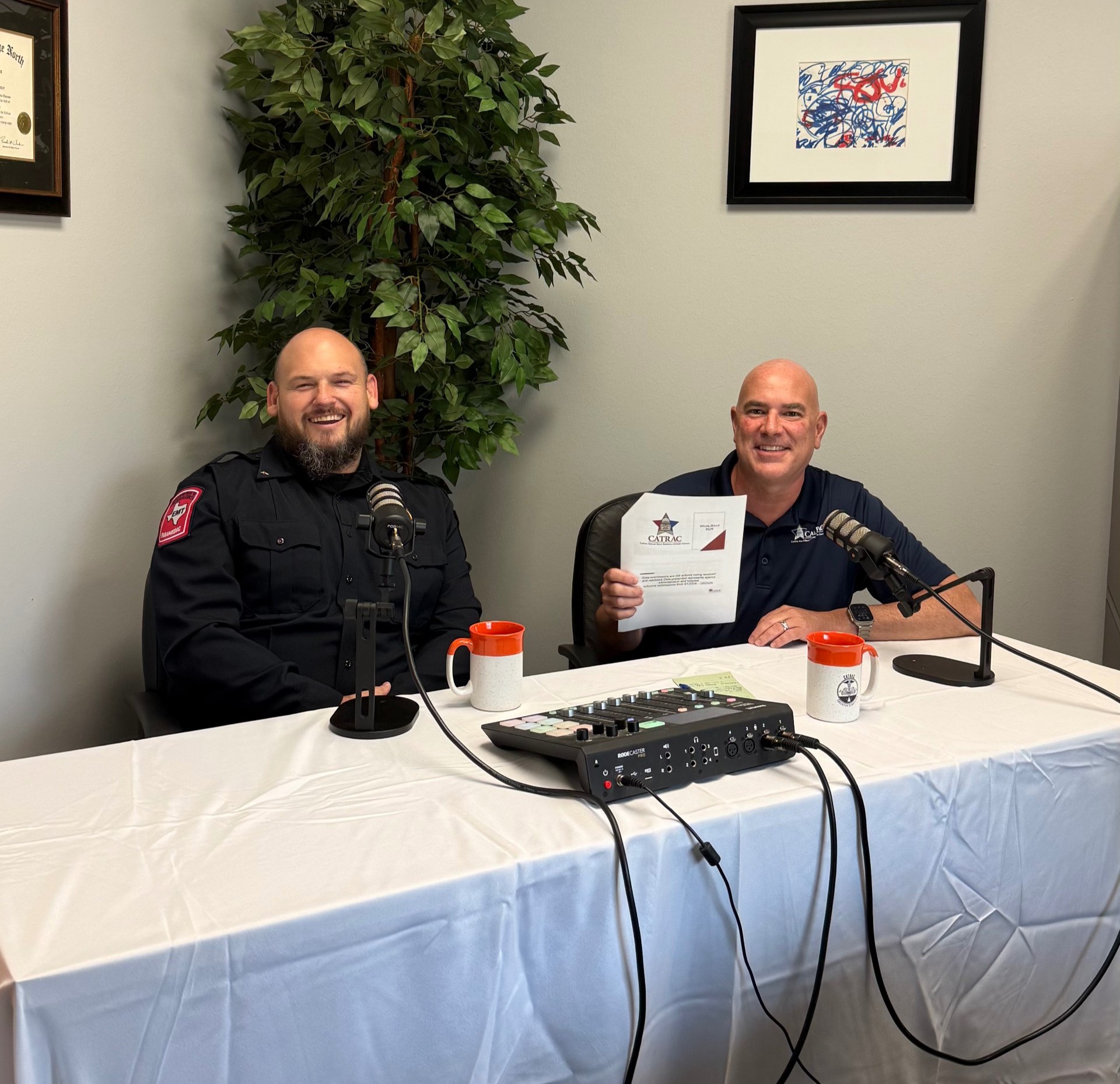
Douglas Havron talks with Josh Todd, a division chief with Austin–Travis County EMS and chair of the regional Whole Blood Workgroup, about bringing prehospital whole blood to more communities across Central Texas.
They discuss what it takes to build the program across EMS agencies, blood providers, and hospitals: portable refrigeration, real-time tracking, and a shared system for documenting transfusions and returning patient outcomes to crews. They also explain how rotating blood into higher-use areas and hospitals helps reduce waste while keeping it available in rural communities.
Josh and Douglas close with the work still ahead, including donor recruitment, deciding where blood resources are most needed, and funding the program for the long term.